.png)
BOI Reporting Update: Does Your Small Business Still Need to File?
- Susan Hagen
- Mar 20
- 5 min read
If you're a small business owner, you've probably heard whispers (or maybe full-blown panic) about BOI reporting. It's been one of those compliance topics that sneaks up on people, and honestly, I've had more than a few clients come to me asking, "Wait, what's this BOI thing, and do I really need to deal with it?"
Short answer: Probably yes. But let's break it down so you know exactly where you stand.
What Is BOI Reporting, Anyway?
BOI stands for Beneficial Ownership Information. It's part of the Corporate Transparency Act (CTA), which went into effect back in January 2024. The goal? To crack down on money laundering, tax fraud, and other shady business practices by requiring certain companies to report who actually owns and controls them.
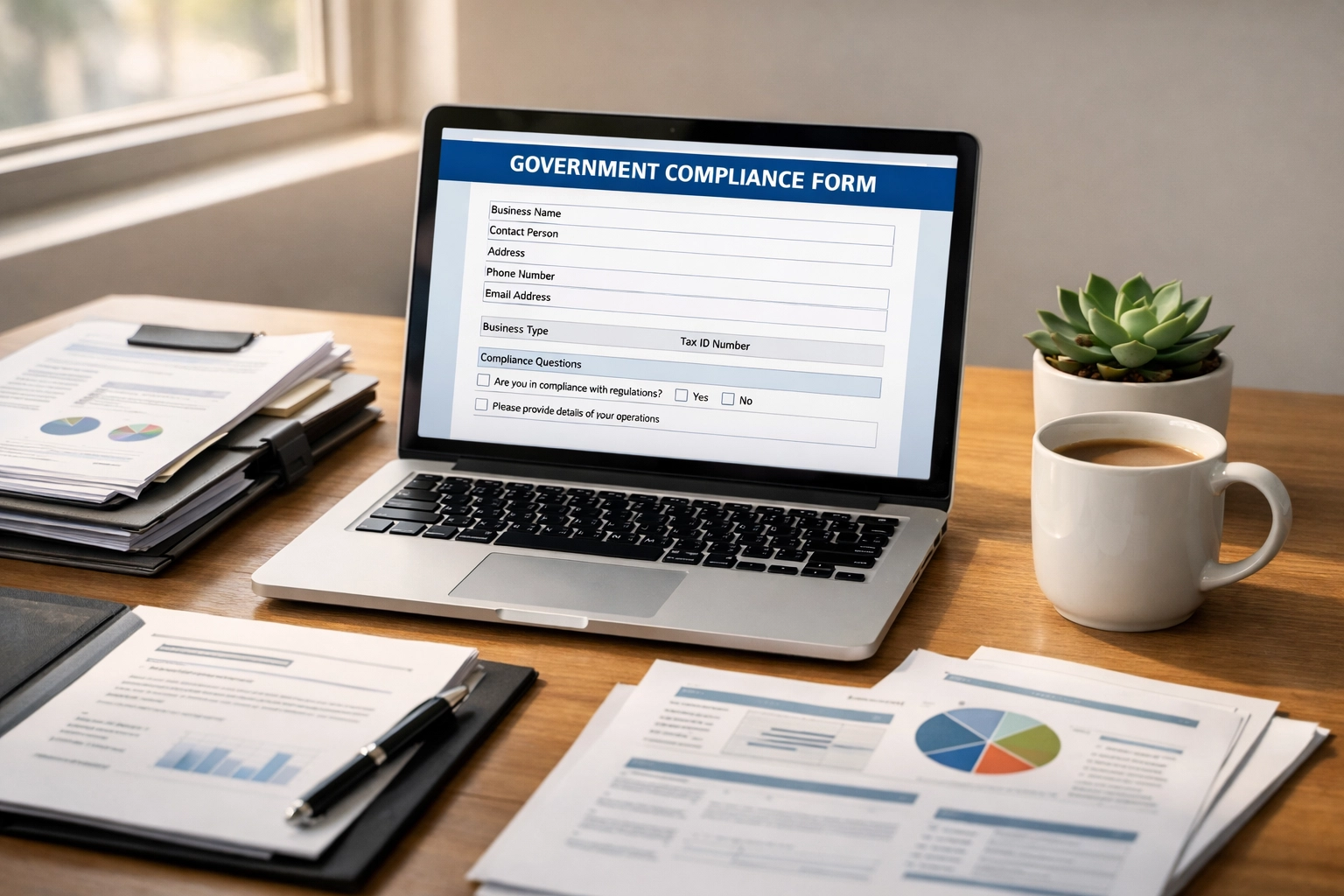
Think of it as the federal government saying, "Hey, we want to know who's really behind the curtain of your business." This means filing a report with FinCEN (the Financial Crimes Enforcement Network) that discloses the names, addresses, dates of birth, and identification numbers of anyone who owns 25% or more of your company or has substantial control over it.
Who Actually Needs to File?
Here's where it gets interesting. The BOI reporting requirement applies to most domestic and foreign entities that are registered to do business in the United States. This includes:
LLCs
Corporations
Limited partnerships
Other entities created by filing with a Secretary of State or similar office
So if you filed paperwork with your state to form your business, you're likely on the hook for BOI reporting.
But wait, there are exemptions. And they're pretty significant. You might NOT need to file if your business:
Has more than 20 full-time employees
Has more than $5 million in gross receipts or sales (as reported on the previous year's tax return)
Has an operating presence at a physical office in the U.S.
There are also 23 specific exemptions for certain types of entities, like publicly traded companies, banks, credit unions, insurance companies, and accounting firms (yes, I get a pass on this one for my own business). Nonprofits registered under 501(c)(3) are also exempt.
The thing is, most small businesses, especially sole proprietors who've formed an LLC or S-Corp for liability protection, don't meet the exemption criteria. So if you're running a one-person consulting business, a small e-commerce shop, or a local service company, you probably need to file.
What's Changed in 2026?
As of February 2026, the BOI reporting requirement is still very much in effect. Here's what you need to know about the current state of things:
Initial Reporting Deadlines: If your business was formed before January 1, 2024, you had until January 1, 2025, to file your initial BOI report. If you formed your business during 2024, you had 90 days from the date of formation. Starting in 2025 and moving forward (including now in 2026), newly formed entities have 30 days to file after formation.
Ongoing Updates: Here's the kicker, this isn't a one-and-done filing. If any of the beneficial ownership information changes (someone sells their stake, you get a new partner, someone moves, etc.), you have 30 days to file an updated report. This is where a lot of business owners get tripped up.

Penalties Are Real: FinCEN isn't messing around. If you willfully fail to file or provide false information, you could face civil penalties of up to $500 per day (capped at $10,000) and criminal penalties of up to $10,000 in fines and/or two years in prison. I'm not trying to scare you, but I do want you to take this seriously.
Common Questions I'm Hearing in 2026
"I'm a sole proprietor. Do I need to file?"
If you're operating as a sole proprietorship without forming an LLC or corporation, you're generally exempt. But if you've set up an LLC for liability protection (which I usually recommend), then yes, you likely need to file.
"What if I'm a single-member LLC with no employees?"
You still need to file unless you meet one of the other exemption criteria. The employee count exemption requires 20+ full-time employees, so if it's just you, that doesn't apply.
"Can I file this myself, or do I need a lawyer?"
The BOI report itself is pretty straightforward. You can file it directly through FinCEN's online portal for free. You'll need basic information like your legal name, business address, EIN, and details about each beneficial owner (including a copy of their driver's license or passport). Many business owners handle this themselves, but if you have a complex ownership structure or want to make sure you're doing it right, it's worth consulting with an accountant or attorney.
"What happens if I already filed but had a change in ownership?"
You need to file an updated report within 30 days of the change. This includes changes in ownership percentage, contact information, or control. Set a reminder in your calendar or work with someone who can help you stay on top of these updates.

How to Actually File Your BOI Report
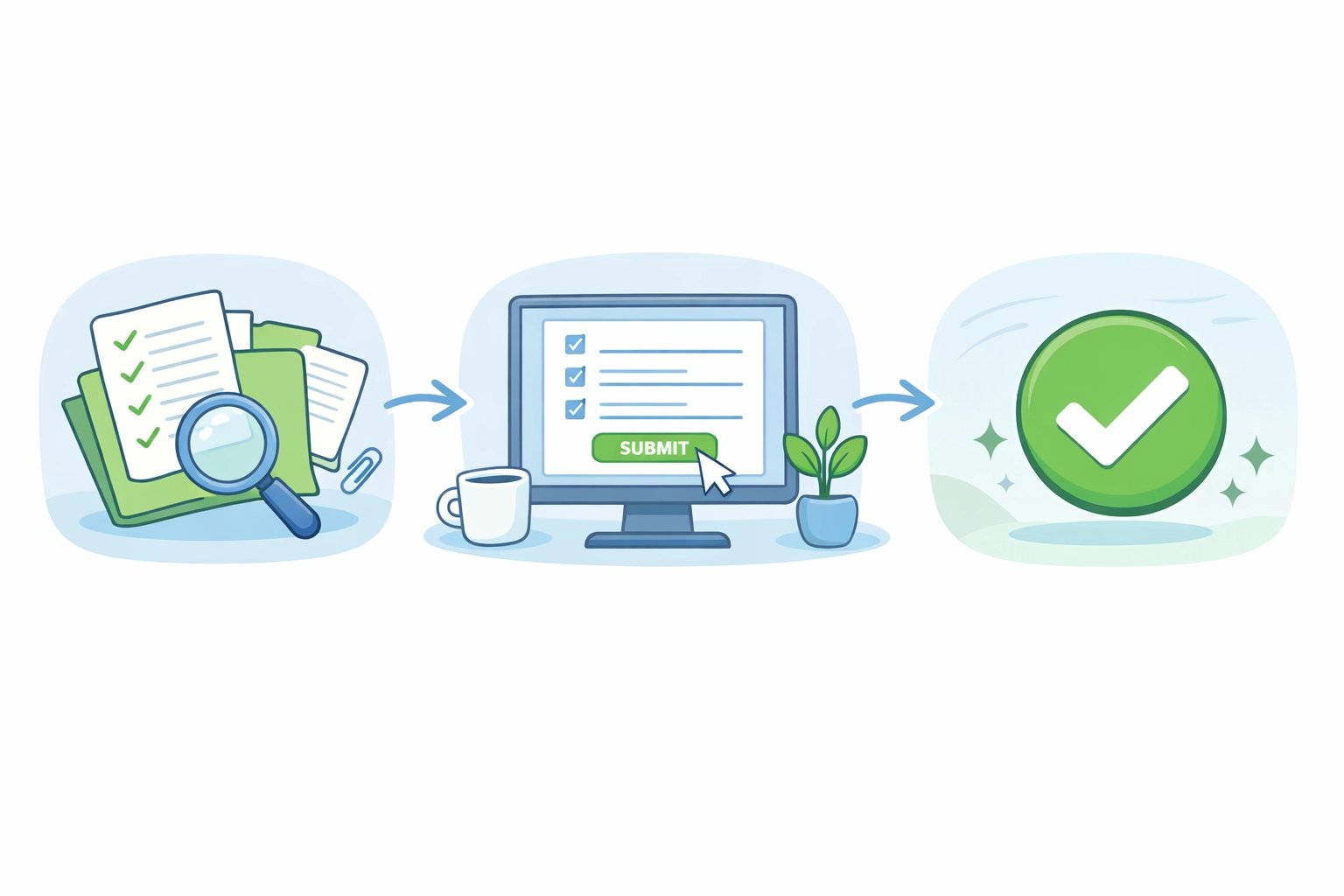
The process is simpler than you might think:
My Honest Take on BOI Reporting
Look, I get it. This feels like yet another compliance hoop to jump through. But here's the thing, it's not going away, and the penalties for ignoring it are steep enough that it's not worth the risk.
The good news? Once you file your initial report, you're done unless something changes. And if you're staying organized with your business records anyway (which you should be for tax purposes), gathering the information isn't that hard.
If you're feeling overwhelmed, don't be afraid to ask for help. Whether it's your accountant, bookkeeper, or attorney, most of us are familiar with BOI reporting by now and can either walk you through it or handle it for you. At Your Business Accountant, I help clients with compliance issues like this all the time, it's just part of keeping your business running smoothly.
Bottom Line
Yes, most small businesses still need to file BOI reports in 2026. If you haven't filed yet and your business was formed before 2024, you're technically late: but it's better to file now than to continue ignoring it. If you formed your business more recently, make sure you're within the 30-day window.
This is one of those things that's easy to put off, but it's also easy to do once you sit down and tackle it. And trust me, the peace of mind that comes from being compliant is worth the hour or two it takes to get it done.
Have questions about whether your specific business needs to file? Drop me a line: I'm here to help you navigate this stuff without the stress.
Comments