.png)
Meals & Entertainment: What's Deductible in 2026? (The Record-Keeping Guide)
If you've been treating clients to lunch or taking your team out for dinner, you need to know what changed this year. The IRS loves to keep us on our toes, and 2026 brought some significant updates to meals and entertainment deductions that could impact your tax bill.
Let me break down what you can deduct, what you can't, and exactly what records you need to keep to stay in the clear.
The Big Picture: What Changed in 2026
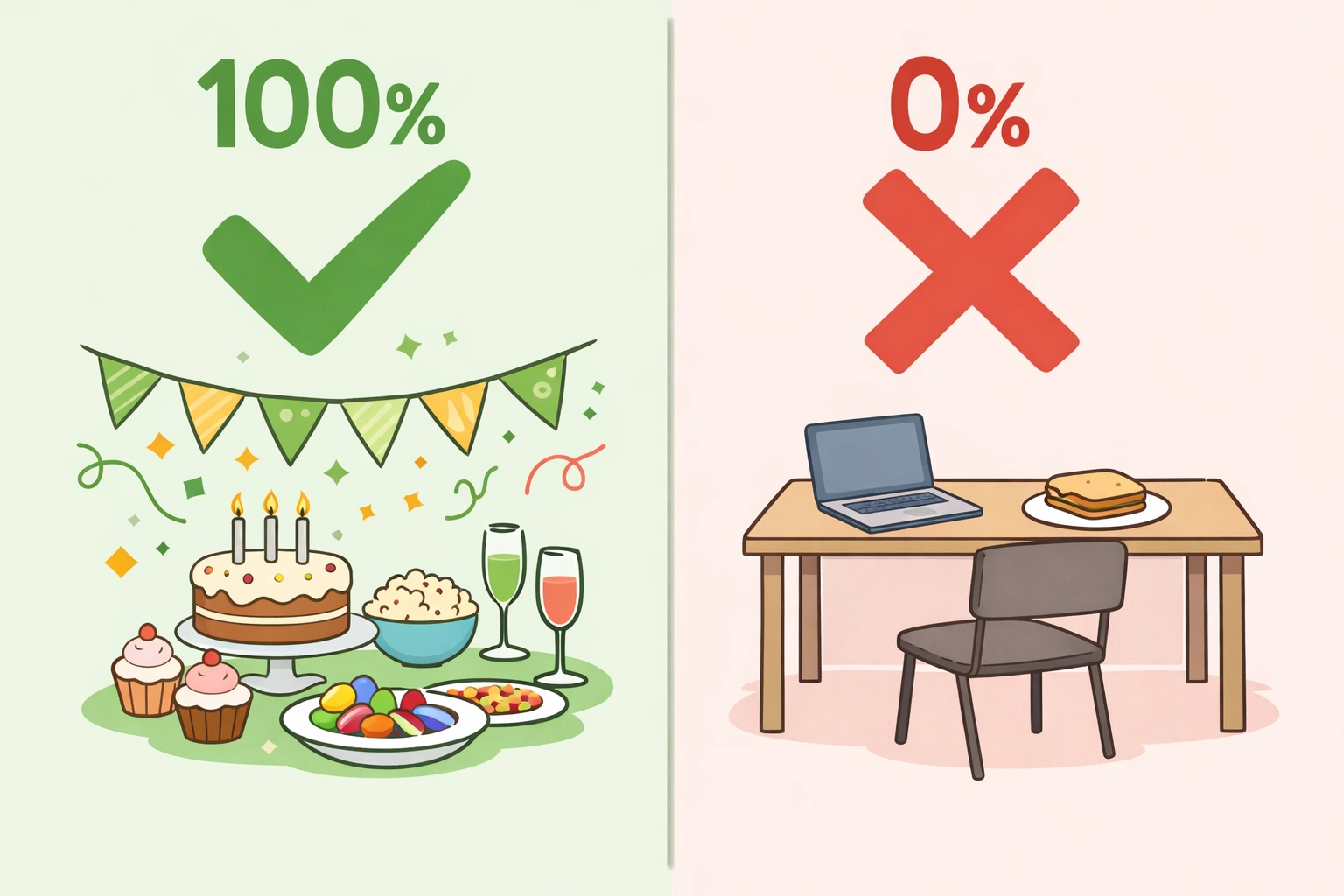
Here's the headline: employer-provided convenience meals are now 0% deductible. That's right, zero.
If you've been providing meals to keep your staff working through lunch or staying late to meet a deadline, those expenses no longer give you any tax break. This is a major shift from previous years when these meals were partially deductible.
Meanwhile, most business meals remain 50% deductible, and entertainment expenses? Still completely off the table (pun intended).
The 50% Deduction: Your Standard Business Meals
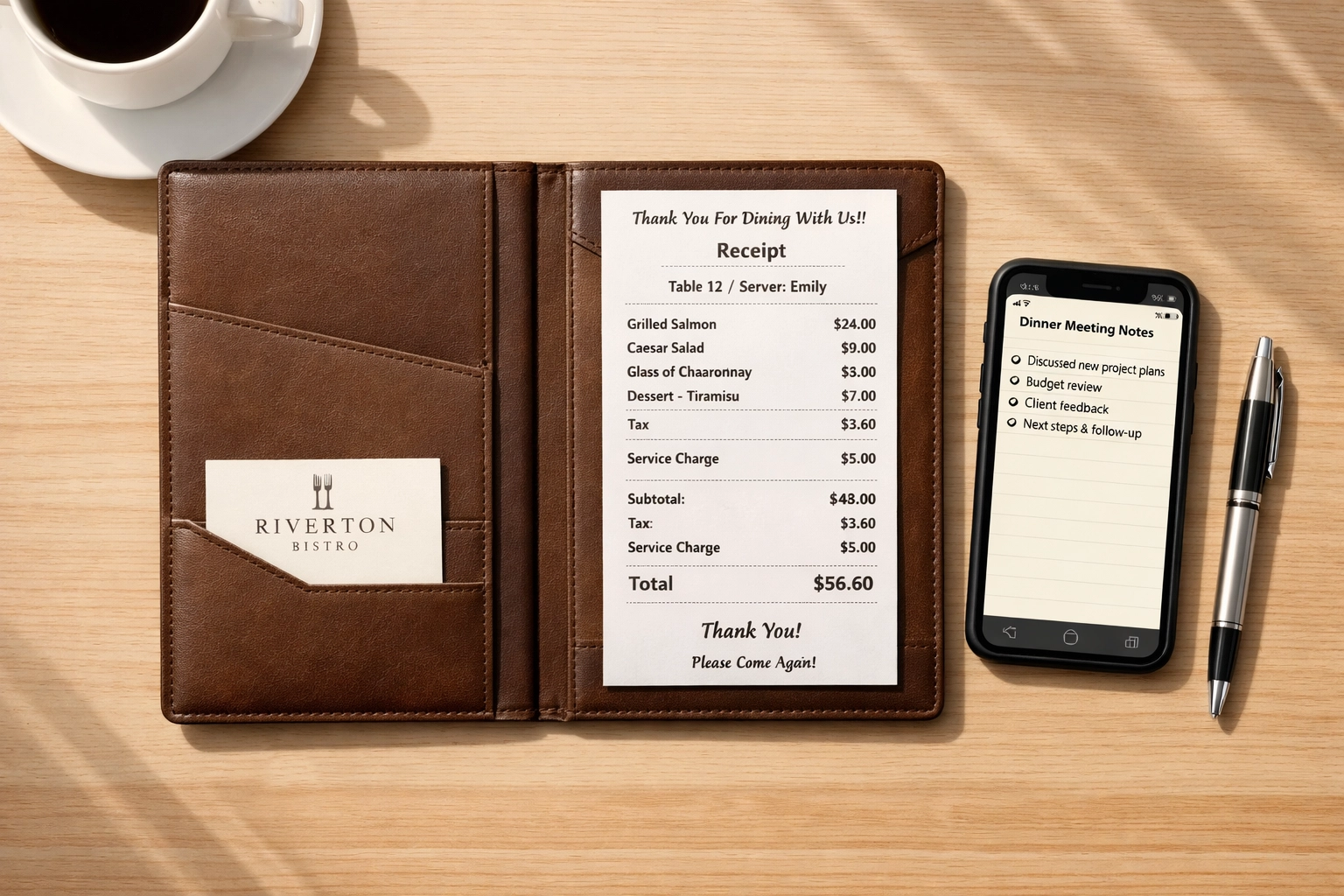
Most of your everyday business meals fall into this category. You can deduct 50% of the cost when:
Client and prospect meals – Taking a potential client to lunch to discuss a project? That's 50% deductible. The key is that business needs to be discussed, and the meal can't be lavish or extravagant. (Sorry, no $500 steakhouse dinners unless you've got revenue to match.)
Business travel meals – When you're traveling for work and grabbing meals on the road, you can deduct half the cost. This includes meals during conferences, site visits, or any legitimate business trip.
Employee meals at meetings – If you're ordering lunch for a team meeting or bringing in breakfast for a training session, that's 50% deductible.
Board meeting meals – Food served during board meetings qualifies for the 50% deduction.
The critical requirement? The meal can't be lavish or extravagant given the circumstances. What counts as "lavish" isn't defined by a dollar amount, it depends on your business and the context. A $100 meal might be reasonable for one business and excessive for another.
The 100% Deduction: The Rare Unicorns
Yes, some meals are still fully deductible. Here's where you can claim 100%:
Company-wide events – Your annual holiday party, summer picnic, or office-wide celebration? Fully deductible. The key word is "company-wide": you can't just invite your favorite employees.
Customer appreciation events – Meals provided to the general public or customers for promotional purposes are 100% deductible. Think grand opening events or customer appreciation days.
Meals as taxable compensation – If you provide meals to employees and include the value in their W-2 as taxable income, you can deduct the full cost. (Though most employees won't love this option.)

The 80% Deduction: Transportation Workers
If you employ drivers or transportation workers, there's a special rule for you. Meals for DOT-regulated transportation workers are 80% deductible when they're subject to hours-of-service limitations.
This applies to:
Truck drivers
Bus drivers
FAA-regulated air transportation workers
FRA-regulated railroad employees
The higher deduction percentage recognizes the unique nature of jobs where people are required to be away from home for extended periods.
The 0% Deduction: What You Can't Write Off Anymore
This is where 2026 hurt. These expenses are now completely nondeductible:
Convenience of employer meals – Meals you provide to keep employees working onsite are no longer deductible. This includes:
Meals during overtime or tight deadlines
On-premise cafeteria or dining room costs
Food provided so employees don't have to leave the office
Entertainment expenses – This hasn't changed, but it's worth repeating: sports tickets, concert passes, golf outings, and similar entertainment are NOT deductible. Period.
Here's the tricky part: if you buy food at an entertainment event (like hot dogs at a baseball game), that's not deductible either: unless the food cost is separately stated on your receipt and you can clearly document it.
The Entertainment Trap: Separating Food from Fun
This is where a lot of business owners trip up. Let's say you take a client to a basketball game and spend $400 on tickets plus $60 on food and drinks at the arena.
What's deductible? Potentially 50% of the $60: but only if:
The food cost is separately itemized on your receipt
You can prove it was purchased separately from the entertainment
You document the business purpose
What's not deductible? The $400 in tickets. Never. Not even a little bit.
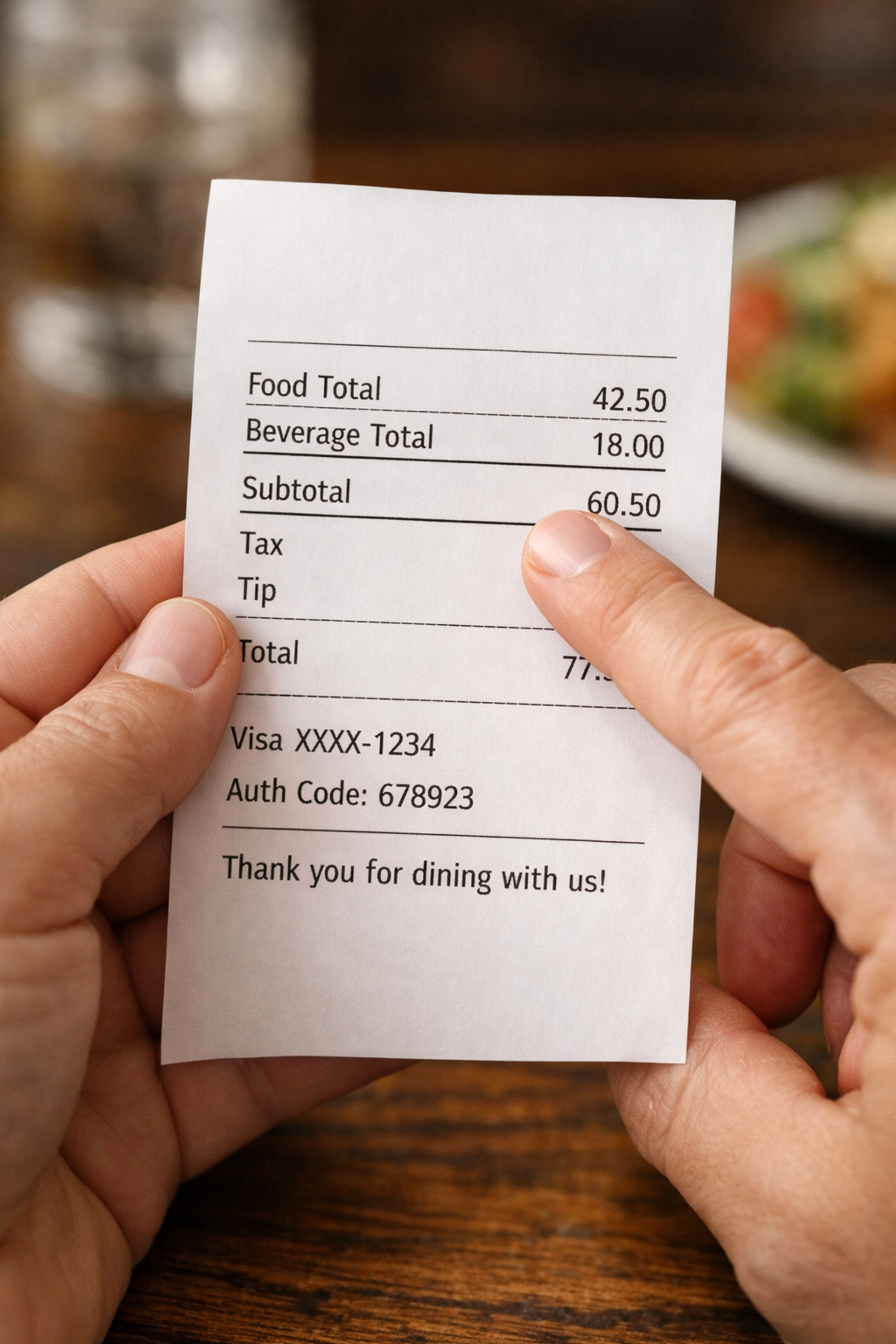
If your receipt just shows "$460 total" with no breakdown, you're out of luck. The entire amount is nondeductible because it's bundled with entertainment.
Record-Keeping: What the IRS Wants to See
Here's where many deductions are lost: not because they weren't legitimate, but because the documentation wasn't sufficient. For every business meal deduction, you need:
Who was there – Names of all attendees, including their business relationship to you (client, employee, vendor, etc.)
Business purpose – What was discussed? "Meeting with John Smith to review Q1 marketing strategy" is good. "Lunch with John" is not.
Date and location – The restaurant name and date of the meal.
Amount paid – Keep that itemized receipt showing what you actually spent.
I recommend jotting notes on the back of receipts immediately after the meal. Take a photo with your phone so you don't lose it. Better yet, use an expense tracking app that lets you add notes and categorize expenses on the spot.
Practical Tips for Staying Compliant
Separate the check – When you're at an event that includes entertainment and food, ask for separate bills or make sure your receipt itemizes them separately.
Use your business card – Always pay for business meals with your business credit or debit card. This creates a clear paper trail.
Document immediately – Don't wait until tax time to try remembering who you had lunch with in March. Add notes to receipts the same day.
Set up categories – In QuickBooks or your accounting software, create separate categories for different meal types (50% deductible business meals, 100% deductible company events, etc.) to make tax prep easier.
When in doubt, over-document – More detail is always better than less when it comes to IRS scrutiny.
What If You're Not Sure?
Look, these rules can get confusing. If you're sitting there with a stack of receipts wondering which category they fall into, you're not alone. The meals and entertainment rules are some of the most complicated in the tax code.
The good news? You don't have to figure it out alone. A qualified bookkeeper or accountant can help you categorize these expenses correctly throughout the year, not just at tax time. We can also set up your QuickBooks to track these categories automatically, so you're not scrambling in April.
The Bottom Line
Business meals are still deductible in 2026: but you need to know the rules and keep excellent records. The days of loose documentation and generous deductions are gone. The IRS is looking more closely at meal and entertainment expenses than ever before.
Stay organized, document everything, and when you're not sure about something, ask before you claim it. A few hundred dollars in questionable deductions isn't worth the headache of an audit.
Need help sorting through your meal expenses or setting up better tracking systems? That's exactly what we do at Your Business Accountant. Let's make sure you're claiming every legitimate deduction without stepping over the line.
Comments