.png)
Tax Scams to Watch Out For: Protecting Your Business This Filing Season
Tax season brings enough stress without adding scammers to the mix. But here's the reality: fraudsters absolutely love tax season. It's like their Super Bowl. They know you're busy, distracted, and dealing with urgent deadlines, which makes you and your team prime targets.
I've seen too many small businesses get hit with these scams, and the fallout isn slobt just financial. We're talking damaged reputations, stolen employee data, and weeks (sometimes months) of cleanup. So let's talk about what's actually happening out there and how you can protect your business.
The W-2 Email Scam (This One's Hitting Hard)
This scam is sneaky because it looks so legitimate. Here's how it works: You get an email that appears to come from your CEO, owner, or another executive. The email address looks almost identical to the real one, maybe it's one letter off, or it uses a slightly different domain that you wouldn't notice unless you were really looking.
The message is urgent and direct: "Hey, I need copies of all employee W-2s for our accountant meeting this afternoon. Can you send them ASAP?"
If someone in HR or payroll falls for it and sends those W-2s, the scammers now have a goldmine of information: full legal names, Social Security numbers, home addresses, and salary details for your entire team.
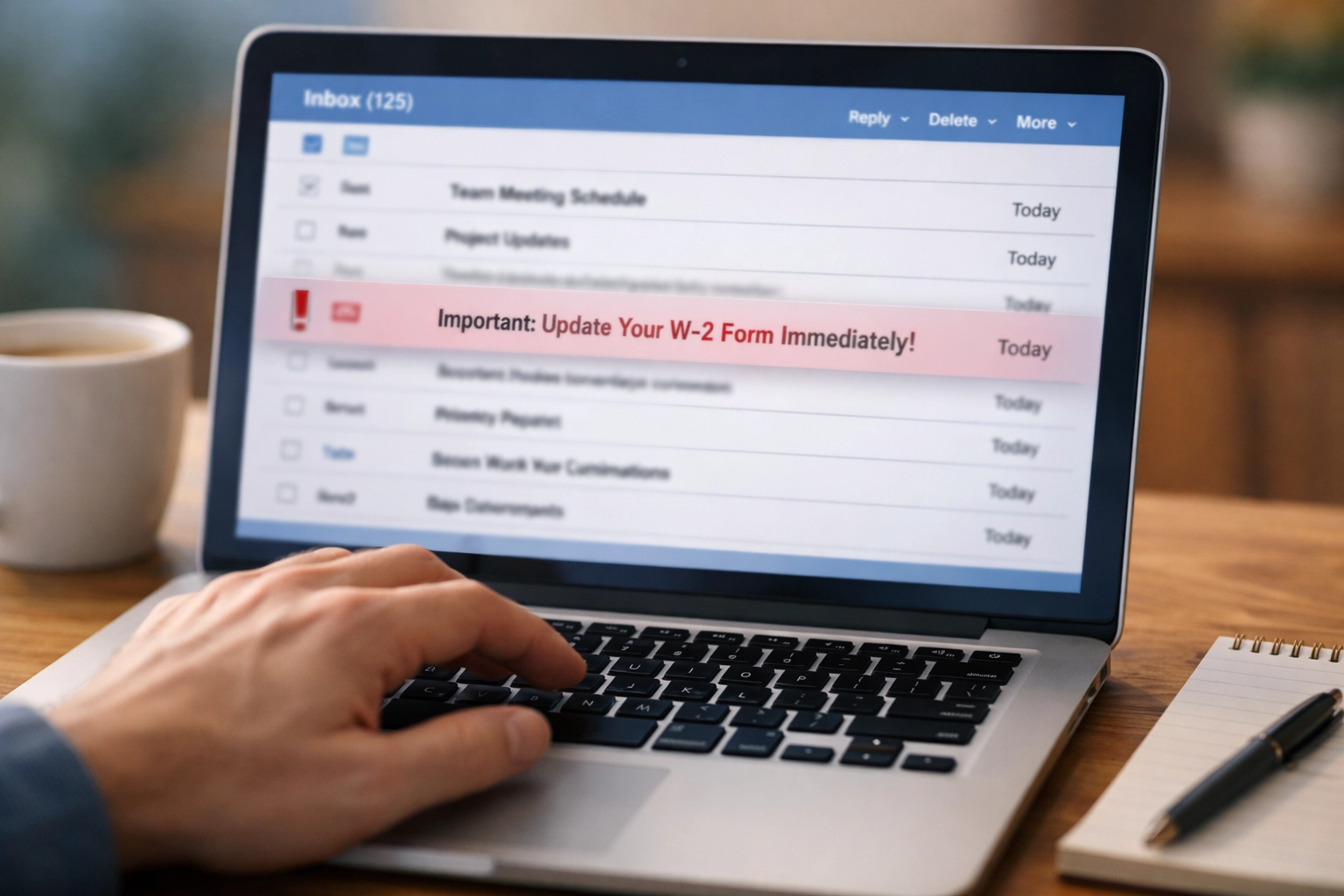
What happens next is even worse. The scammers use that stolen data to file fraudulent tax returns in your employees' names and pocket the refunds before your employees can file their legitimate returns. Your employees find out when they try to file their taxes and get a rejection notice saying a return has already been filed under their Social Security number.
Now you're dealing with angry employees, IRS disputes, credit monitoring services, identity restoration processes, and serious damage to your company's reputation. Not a fun situation.
How to prevent it: Set up a verification system for any request involving sensitive employee information. If your boss emails asking for W-2s, pick up the phone and call them directly to confirm. Make this a company-wide policy, and make sure everyone knows there's no such thing as being "too careful" with this stuff.
The "New Client" Trap
If you work with a tax professional or accountant (or if you are one), this scam is designed specifically for you. Scammers send emails posing as potential new clients who need tax services. They'll often say something like, "I'm interested in your services. Here are my last year's tax documents for review," with an attachment or link included.
The attachment or link contains malware that, once opened or clicked, gives scammers access to your email account, passwords, and potentially your entire system. Now they have access to all your client data: which they can use to impersonate your firm and contact your clients directly to steal even more information.
How to prevent it: Be suspicious of unsolicited emails from "new clients" that include attachments or links. Legitimate prospects usually start with a phone call or a simple inquiry email. If you do get an email like this, verify the person's identity through a separate channel before opening anything. And honestly? Just don't click links or open attachments from people you don't know.
Phishing Emails and Text Messages
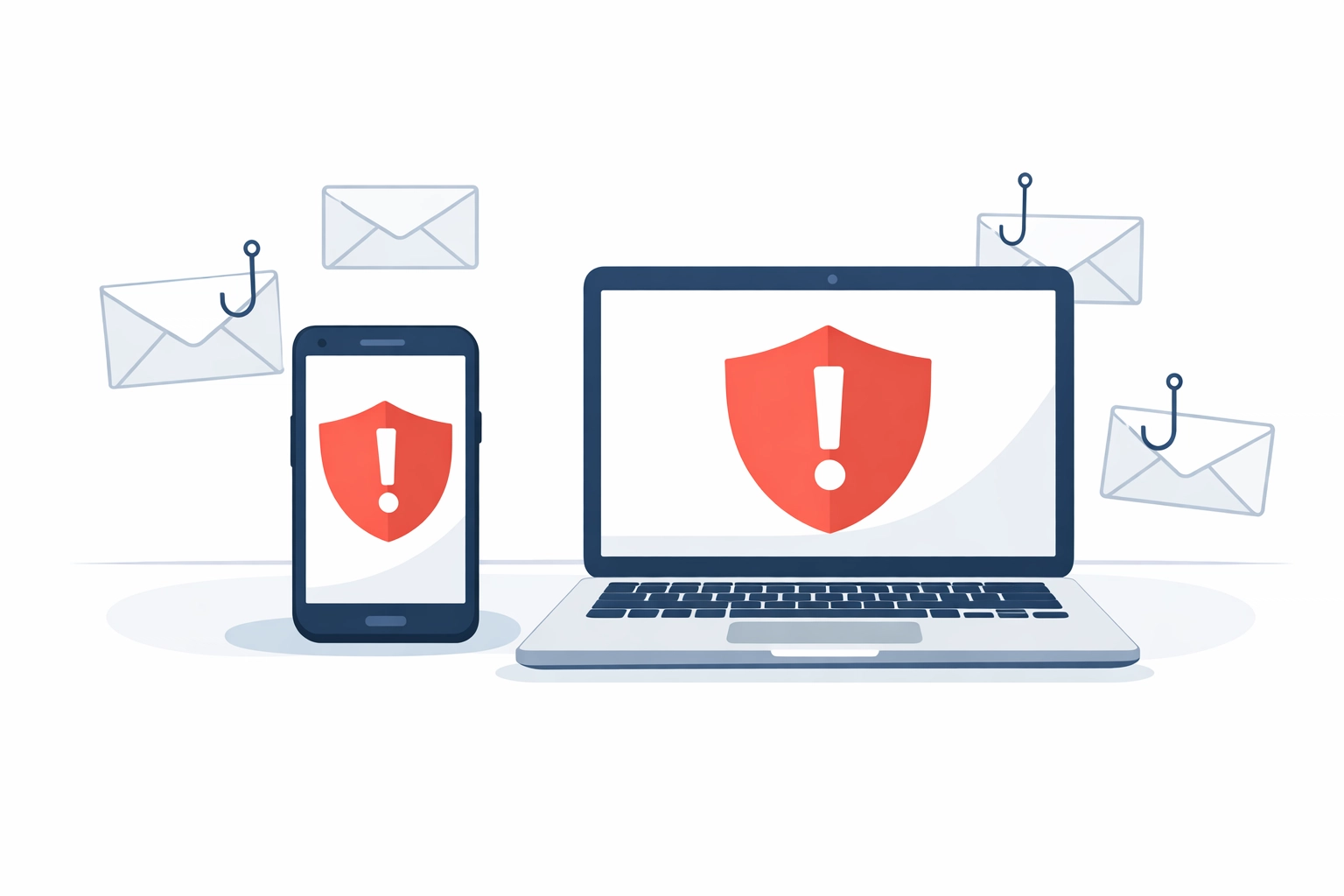
These are getting scarily good. Scammers are now creating emails and text messages that look almost identical to legitimate communications from the IRS, your bank, or tax software companies like TurboTax or H&R Block.
The messages usually create a sense of urgency: "Your refund is ready, click here to verify," or "We need additional information to process your return," or "There's a problem with your account: update your information immediately."
Here's the thing: The IRS will never contact you via email, text, or social media about your taxes. Period. They send letters through actual mail. If you get an email claiming to be from the IRS, it's a scam. Delete it.
The same goes for text messages (often called "smishing"). If you get a text about your tax refund or return, ignore it. Your tax software company or financial institution won't text you asking for personal information either.
How to prevent it: Don't click links in unexpected emails or texts about taxes. If you're genuinely concerned about a message you received, go directly to the official website by typing the URL into your browser yourself (don't click the link in the message). Or call the organization directly using a phone number you find on their official website.
Fake IRS Notices
Along similar lines, scammers are sending physical mail and emails that look like official IRS notices. These fake notices often demand immediate payment for taxes you supposedly owe, complete with threats of penalties, liens, or even arrest if you don't pay right away.
Real IRS notices are sent by mail, but they don't demand immediate payment through specific methods like gift cards, wire transfers, or cryptocurrency. If you receive a notice that seems suspicious: especially if it demands payment through unusual methods: it's probably fake.
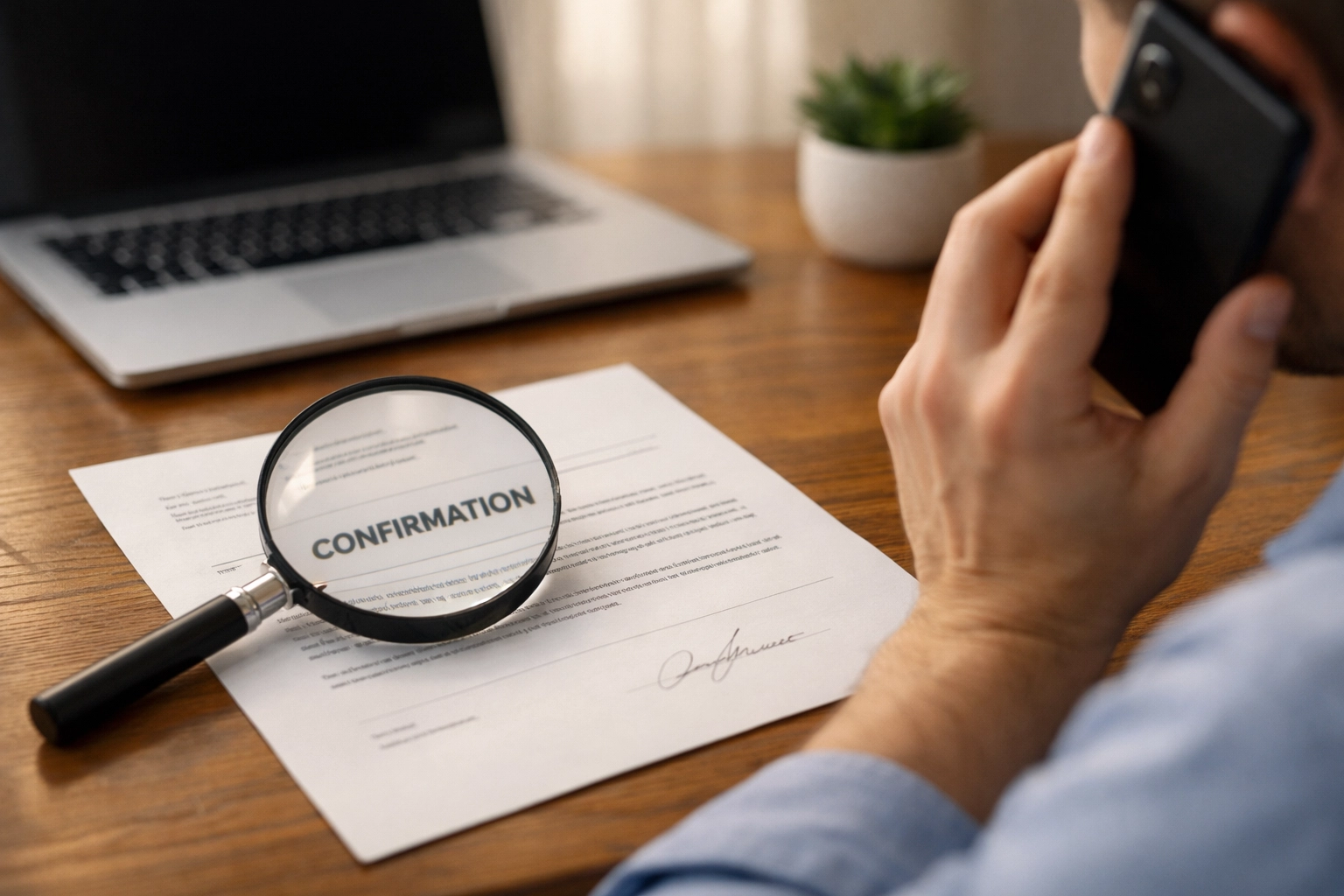
How to prevent it: If you receive an IRS notice, don't panic. Take it to your accountant or tax professional to verify its legitimacy. You can also contact the IRS directly through their official website or phone number to confirm whether the notice is real.
Dishonest Tax Preparers
Not all scams come from strangers. Sometimes the person you hire to help with your taxes is the scammer. Unscrupulous tax preparers might:
Promise unrealistically large refunds
Charge fees based on a percentage of your refund (legitimate preparers charge flat fees or hourly rates)
Refuse to sign your tax return or provide their IRS Preparer Tax Identification Number (PTIN)
Ask you to sign a blank return
Substitute their bank account information for yours to divert your refund to themselves
How to prevent it: Only work with reputable tax professionals who have proper credentials (like CPAs, Enrolled Agents, or attorneys). Check their PTIN on the IRS website, and make sure they sign your return and provide you with a copy. If something feels off, trust your gut and find someone else.
What to Do If You Fall for a Scam
If you or someone on your team accidentally responds to a scam or provides sensitive information, act fast:
Report it to the IRS immediately using their online reporting tool for phishing and fraud
Contact your bank or financial institution to protect your accounts
File a report with the Federal Trade Commission at IdentityTheft.gov
Notify affected employees if their personal information was compromised
Consider credit monitoring services for anyone whose data was exposed
Change passwords for any compromised accounts
Building a Culture of Security
The best defense against tax scams is education. Make sure everyone in your organization: especially those who handle financial information: knows about these threats. Hold a quick meeting before tax season to review common scams and your company's verification policies.
Create a policy that requires secondary verification for any urgent requests involving sensitive financial or employee data. And make it clear that there's no penalty for double-checking or asking questions when something seems suspicious. Better safe than sorry.
Tax season is stressful enough without scammers making it worse. Stay alert, verify everything, and when in doubt, reach out to your accountant or tax professional with questions. We're here to help you navigate not just the tax code, but the scams trying to take advantage of it.
If you've received something suspicious or want to talk through your tax season security plan, reach out to us. We'd rather help you prevent a problem than clean up after one.
Comments