.png)
The Top 5 Mistakes Small Businesses Make When DIY-ing Their Bookkeeping (and How to Avoid Them)
Small business owners are naturally hands-on and resourceful. While “doing it yourself” can keep things lean, DIY bookkeeping sometimes leads to mistakes that end up costing far more than a professional’s fee. At Your Business Accountant, we’ve seen the same five mishaps over and over—here’s how to avoid them before they put a dent in your success.
1. Failing to Separate Business and Personal Finances
Mixing your business and personal money might sound convenient, but it’s the fastest route to confusing records, bank account headaches, and a tax-time panic attack.
Why This Is a Big Deal:
When business and personal expenses get tangled, it’s nearly impossible to get a true picture of your business’s financial health.
You risk missing out on legitimate business deductions.
Come audit time, the IRS is not impressed by “blurry” books—and you could end up with penalties or rejected deductions.
How to Avoid It:
Open a dedicated business checking account and credit card—use them only for business transactions.
Set up a clear reimbursement process for any business expenses accidentally paid from a personal account.
Use digital accounting tools with category presets so every transaction lands in the right bucket from the start.

2. Misclassifying Expenses
Have you ever caught yourself wondering, “Is this meal really a business expense or just lunch?” Misclassifying expenses isn’t just a paperwork snafu—it can seriously skew your numbers.
What Goes Wrong:
You might under- or overstate expenses, resulting in inaccurate profit or loss reports.
Incorrect classifications could lead to either missing out on tax deductions or drawing unwanted attention if you get audited.
How to Get It Right:
Create a simple “chart of accounts” (think: categories like travel, marketing, office supplies, meals).
Take a few minutes each month to review categories—if something looks out of place, fix it before it snowballs.
Get familiar with IRS guidelines or check out reputable small business resources online.
Automate expense categorization with accounting software—but don’t just “set and forget.” Glance over things regularly.
3. Not Reconciling Bank Accounts
Bank reconciliation is one of those chores that’s easy to postpone—but skipping it invites trouble. It’s how you double-check that every cent leaving or entering your business is properly recorded.
Consequences of Neglect:
Duplicate transactions, bounced checks, or missing income can slip under your radar.
You might miss fraudulent charges or bank errors until it’s too late to dispute them.
Cash flow projections can be way off, affecting your ability to pay bills or invest.
Smart Steps to Stay on Track:
Make bank reconciliation a monthly habit.
Use bookkeeping software that connects directly to your bank—look for tools with easy reconciliation workflows.
If you’re getting behind, consider outsourcing or asking for help. Fixing months of mismatched books is stressful (and more expensive) than doing it right the first time.
4. Poor Recordkeeping and Missing Receipts
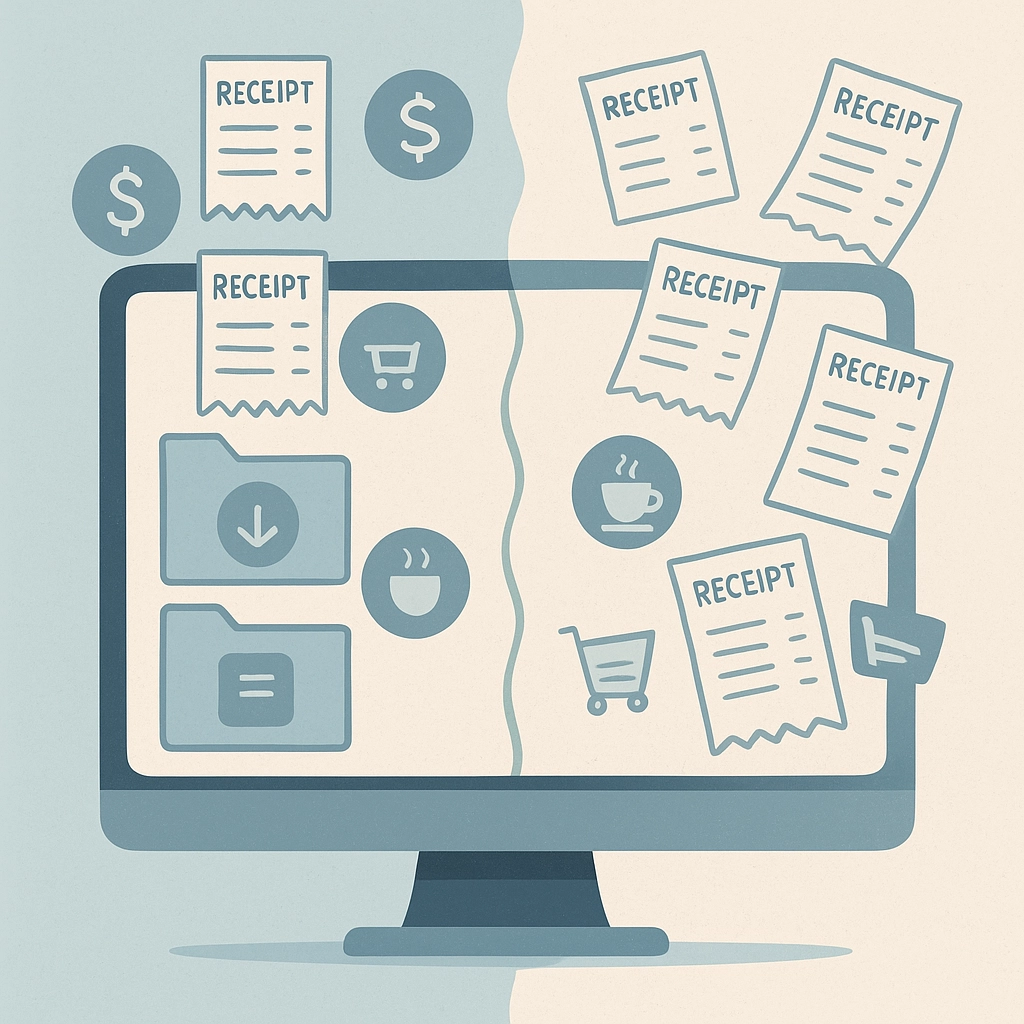
If you’ve ever tossed a gas or coffee receipt, thinking “It’s under $75, it won’t matter”—think again. Consistent, detailed recordkeeping is a must for accurate books and smooth tax filing.
Why This Trips Up Business Owners:
Without solid records, it’s tough to track your real expenses and revenue.
Missing receipts can translate to lost deductions if you’re ever audited.
Poor documentation can make it harder to secure loans or prove profit to investors.
Tips for Bulletproof Bookkeeping:
Keep EVERY receipt—yes, even the small ones. Digital receipt management makes this painless (just snap a photo on your phone and upload it).
Log expenses immediately. The longer you wait, the foggier things get.
Use cloud-based apps to link receipts directly to transactions.
Schedule a short “recordkeeping hour” each week to keep on top of paperwork.

5. Ignoring Accounts Receivable and Payable
It’s easy to focus on cash-in-hand and forget the invoices you’re waiting to be paid—or the bills that need to go out. Neglecting your receivables and payables can quietly drain your bank account.
What Could Go Wrong:
Late payments from customers hurt your cash flow.
Unpaid bills rack up late fees or threaten vendor relationships.
Not knowing what’s “in the pipeline” means you lose the ability to plan and budget effectively.
What to Do Instead:
Adopt a simple invoicing system that tracks when you’re owed money and flags overdue accounts.
Regularly review unpaid invoices and follow up—set reminders so nothing falls through the cracks.
Use accounting tools to keep tabs on bills due so you're never caught off guard.
Automation isn’t just for big companies—even the smallest business can set up invoice reminders or recurring payment tracking.

Prevention: The Real Secret to Winning at DIY Bookkeeping
Here’s the bottom line: successful DIY bookkeeping isn’t about having an accounting degree. It’s about establishing the right habits and using helpful tools—whether that’s robust software, cloud-based receipt capture, or calling in a professional when things get complicated.
Even if you’re doing it yourself, you don’t have to do it alone. Explore our Monthly Bookkeeping or QuickBooks Online Training to set yourself up for success.
Building good bookkeeping habits now will save you stress, time, and money down the road—so you can spend less time worrying about mistakes and more time growing your business.
Need some backup or want a check-up on your books? Reach out to Your Business Accountant—we’re here to help you do DIY bookkeeping right.
Comments